—
The confidential records of the man who led the U.S. response to Covid-19 contain far more than scientific notes or public health updates. They offer a raw portrait of a system of power under extreme strain.
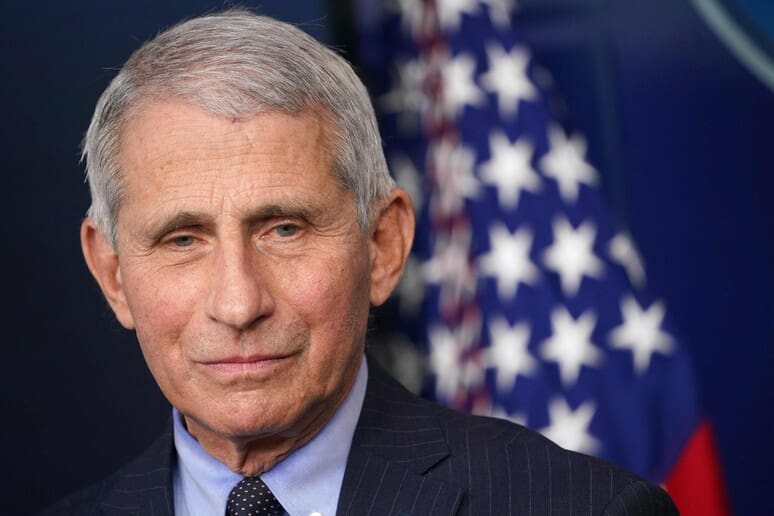
Republican Senator Rand Paul released Anthony Fauci’s personal diaries just hours before the former director of the National Institute of Allergy and Infectious Diseases (NIAID) was compelled to testify before the Senate Homeland Security Committee. The archive, filled with phone calls, behind-the-scenes accounts, and unfiltered personal reflections, lifts the curtain on how America’s institutions managed the public health crisis.
From Trump’s Honeymoon Praise to Threats of Being Silenced
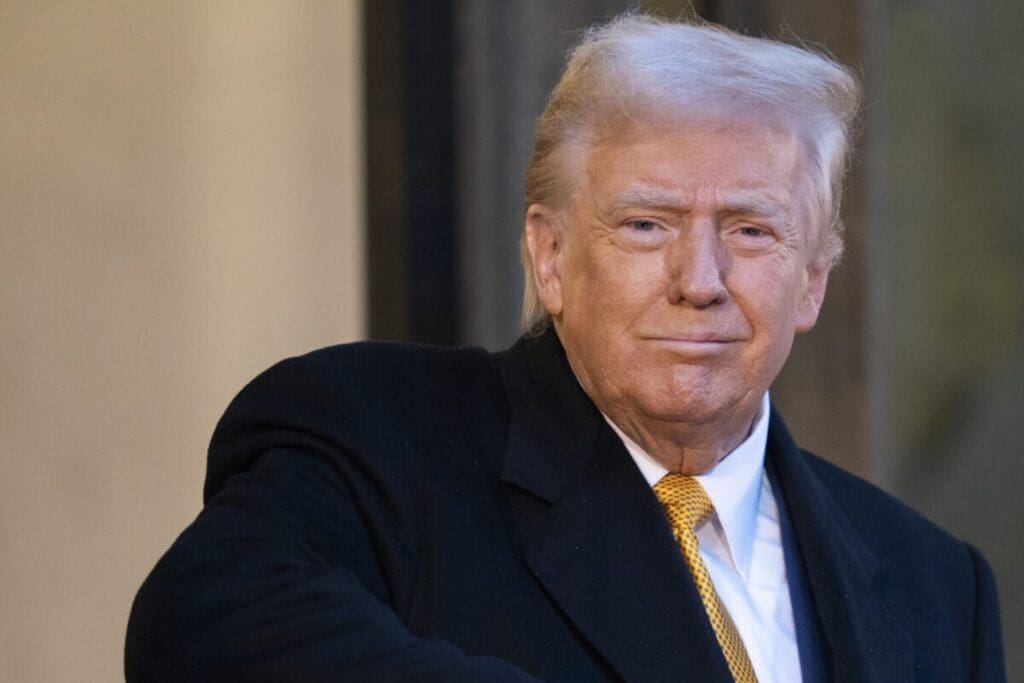
Entries from early 2020 reveal an unexpected initial alliance. During the first emergency briefings, Donald Trump described Fauci as “the smartest person in the world,” repeatedly seeking his approval in front of television cameras and appearing fascinated by the scientist’s overwhelming media popularity.
That early harmony quickly collapsed amid growing tensions within the White House staff.
The diary documents the sharp deterioration of Fauci’s relationship with Chief of Staff Mark Meadows, whom the scientist accused of launching direct verbal attacks and threatening to limit his television appearances in an effort to soften public messaging about the seriousness of the outbreak.
Fauci also directed harsh criticism at administration figures responsible for official communications, describing then-Department of Health and Human Services spokesman Michael Caputo as an impostor who privately attempted to block interviews that he publicly claimed to support.
Three Decades at the Intersection of Politics and Pop Culture
Appointed in 1984 as a leading national figure in the fight against HIV and retained by seven different presidential administrations, Fauci’s role was transformed during the 2020 crisis into an unprecedented mass-media phenomenon.
The political divide surrounding the pandemic pushed the virologist into an extraordinary media and institutional storm unlike anything previously seen in U.S. public health, where infection numbers were increasingly intertwined with the nightly ratings of prime-time television programs.
The pages reveal private exchanges with prominent television journalists, Washington dinners, and correspondence with figures from the international entertainment world.
From Julia Roberts to Steph Curry, as well as contacts with Oracle co-founder Larry Ellison, described in the notes as a potential wild card in government technology projects, Fauci’s daily life became caught between a national emergency and the world of celebrity culture.
The Human Side Beyond Bureaucracy
The final entry dates back to December 2022, during the Kennedy Center Honors ceremony. The diary closes with a scene in which Fauci embraces Hunter Biden, accompanied by a joke about the online backlash a photo of the two together would likely trigger.
Beyond statistics and political battles, the release of these private writings offers a portrait of a man standing alone at the center of a relentless machine.
A public servant who, after removing his white coat and stepping away from television cameras, turned to his nightly notes to record frustration, exhaustion, and the simple need to defend himself against a world determined to break him.