—
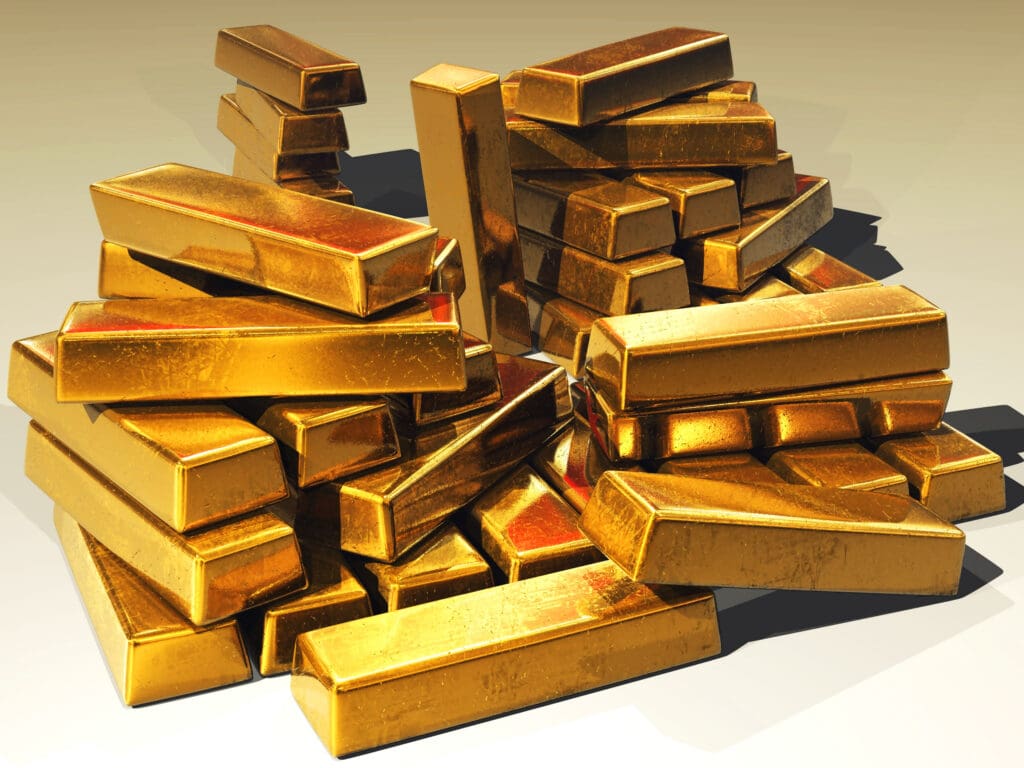
Sen. Rand Paul spent years asking to see the gold inside Fort Knox and more than a year pressing the Treasury Department for a new inspection. This week, the Kentucky Republican finally got inside the U.S. Bullion Depository and emerged with an answer considerably less dramatic than the suspicions surrounding it: the gold was there.
That closes at least one chapter of a peculiar campaign that drew in President Donald Trump, Elon Musk and Treasury Secretary Scott Bessent. Paul formally requested access in February 2025 after Musk questioned whether Fort Knox’s roughly 4,580 metric tons of gold were still present, while Trump publicly entertained the possibility that someone had stolen it. Bessent maintained that the reserves were accounted for and offered to arrange a visit.
Paul had more history with the question than most of the people who joined him. His father, former Rep. Ron Paul, spent decades challenging the government’s stewardship of its gold reserves and held a congressional hearing on the subject in 2011. Treasury’s inspector general testified then that auditors had inspected the sealed compartments containing deep-storage gold and that he had personally seen the reserves at Fort Knox the previous year.
The government’s own records also make the popular claim that nobody had checked Fort Knox for half a century difficult to sustain. Treasury says its gold was audited and placed under official joint seal between 1971 and 2008, with subsequent annual audits inspecting compartments and seals for evidence of tampering. Treasury officials and then-Treasury Secretary Steven Mnuchin also entered the vault in 2017.
Paul nevertheless came away from his visit with the question that has always interested his family more than whether somebody pulled off the world’s most ambitious burglary. He pointed instead to what happened after the United States severed the dollar’s remaining link to gold in 1971, arguing that the currency’s subsequent loss of purchasing power is the more important monetary story.
That distinction matters because discovering an empty vault would have been an extraordinary event. Discovering a full one doesn’t suddenly make the dollar gold-backed again. The United States abandoned convertibility more than half a century ago, and the metal now sitting behind Fort Knox’s granite walls isn’t what determines how many dollars can be created or what those dollars will buy.
The visit therefore produced an almost comically reassuring result. After years of suspicion, letters, political pressure and speculation about one of the world’s most famous piles of treasure, Paul finally got to look.
America still has its gold. His argument is that the harder question is what happened to the money after gold stopped governing it.